About Shirley Mordine
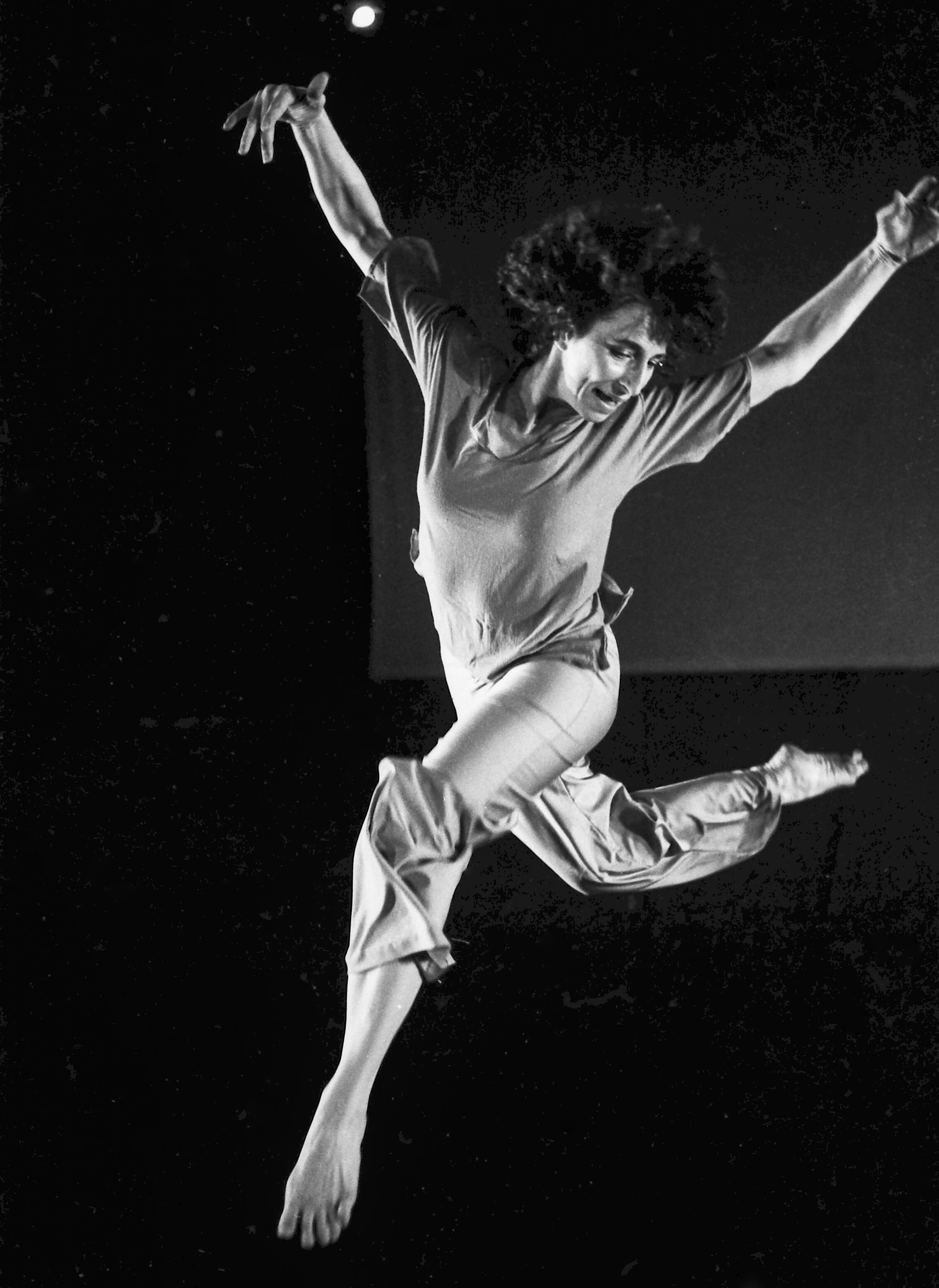
““It is impossible to fully measure the profound and lasting impact Shirley has had on the Chicago dance community.”
”
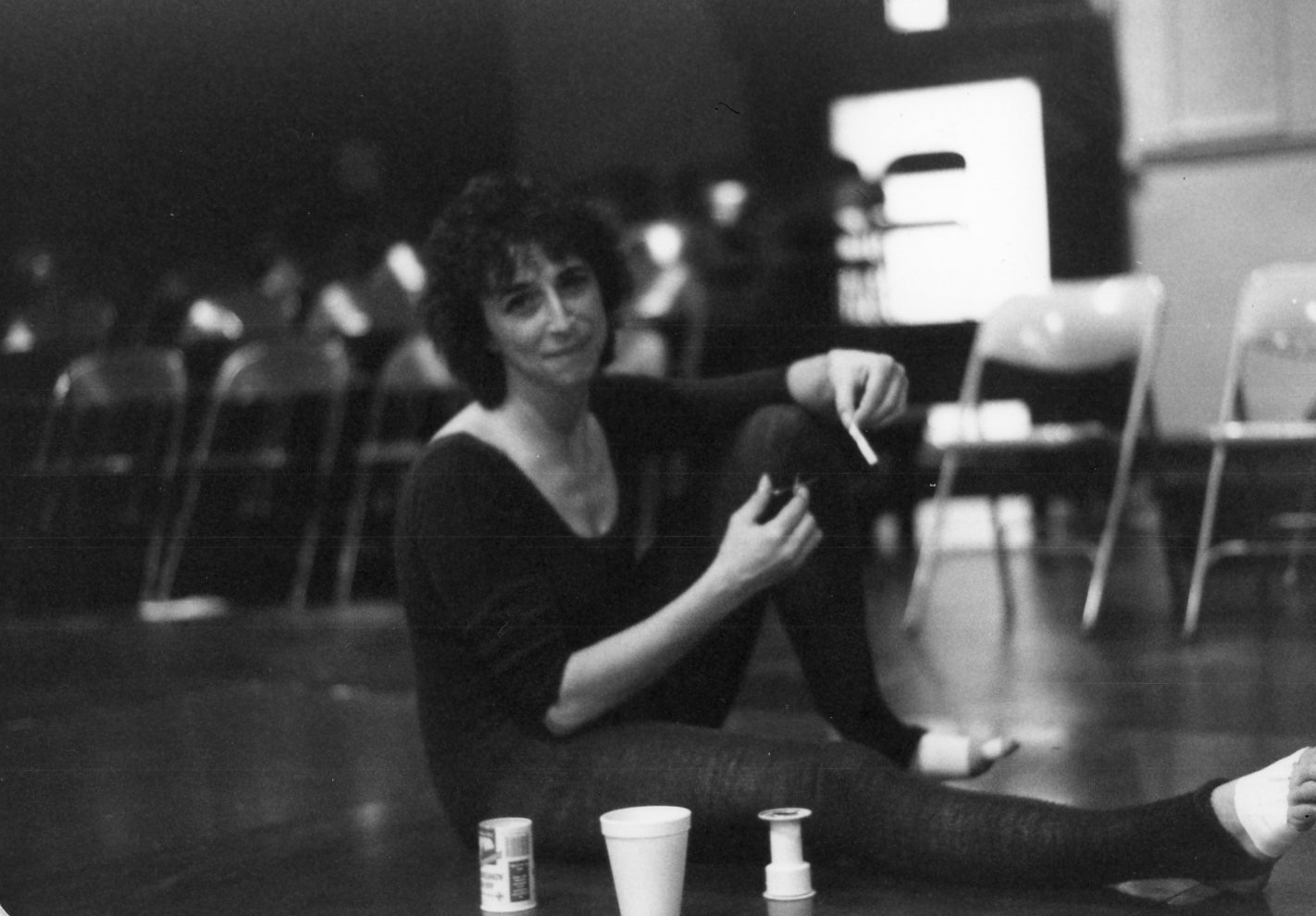
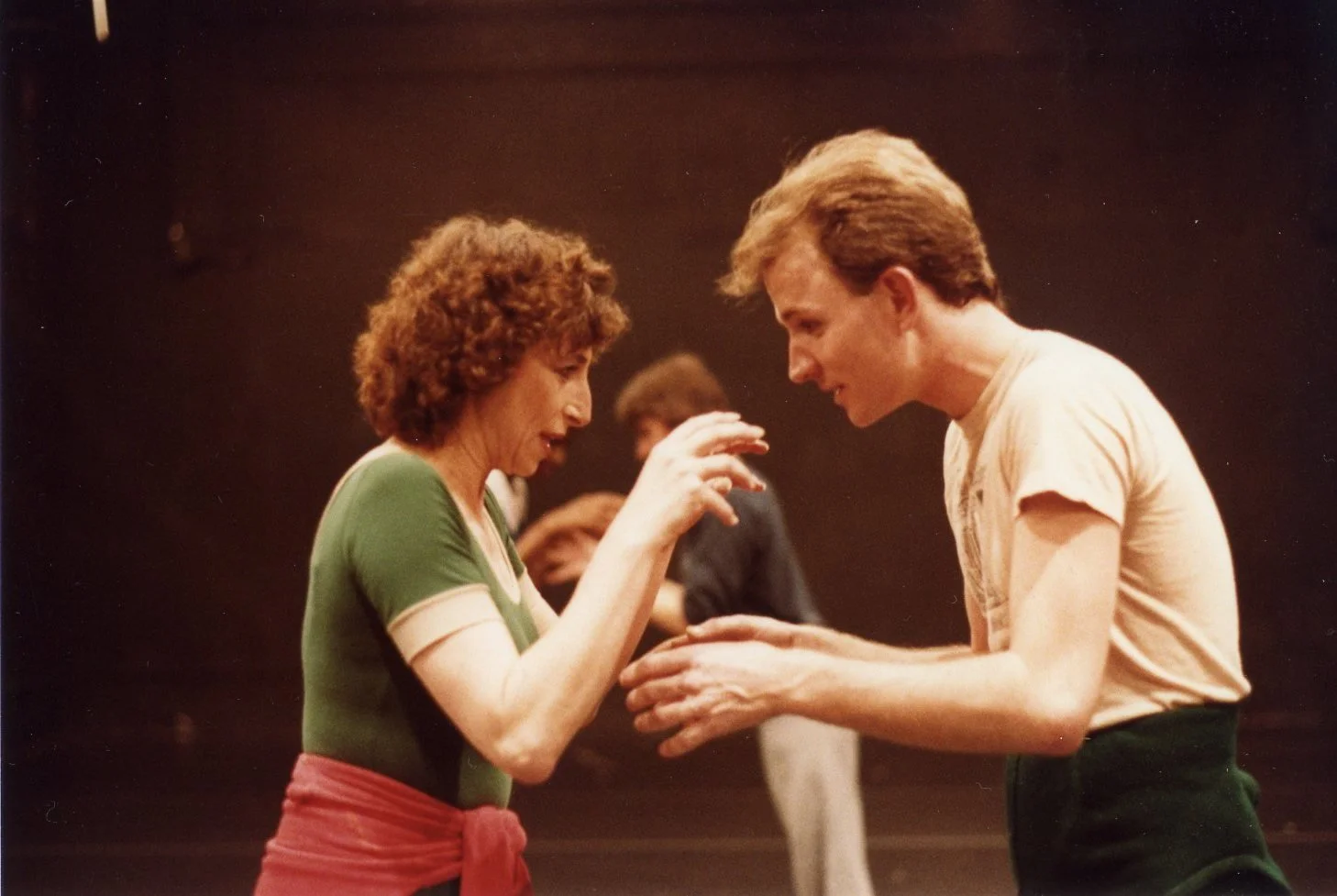
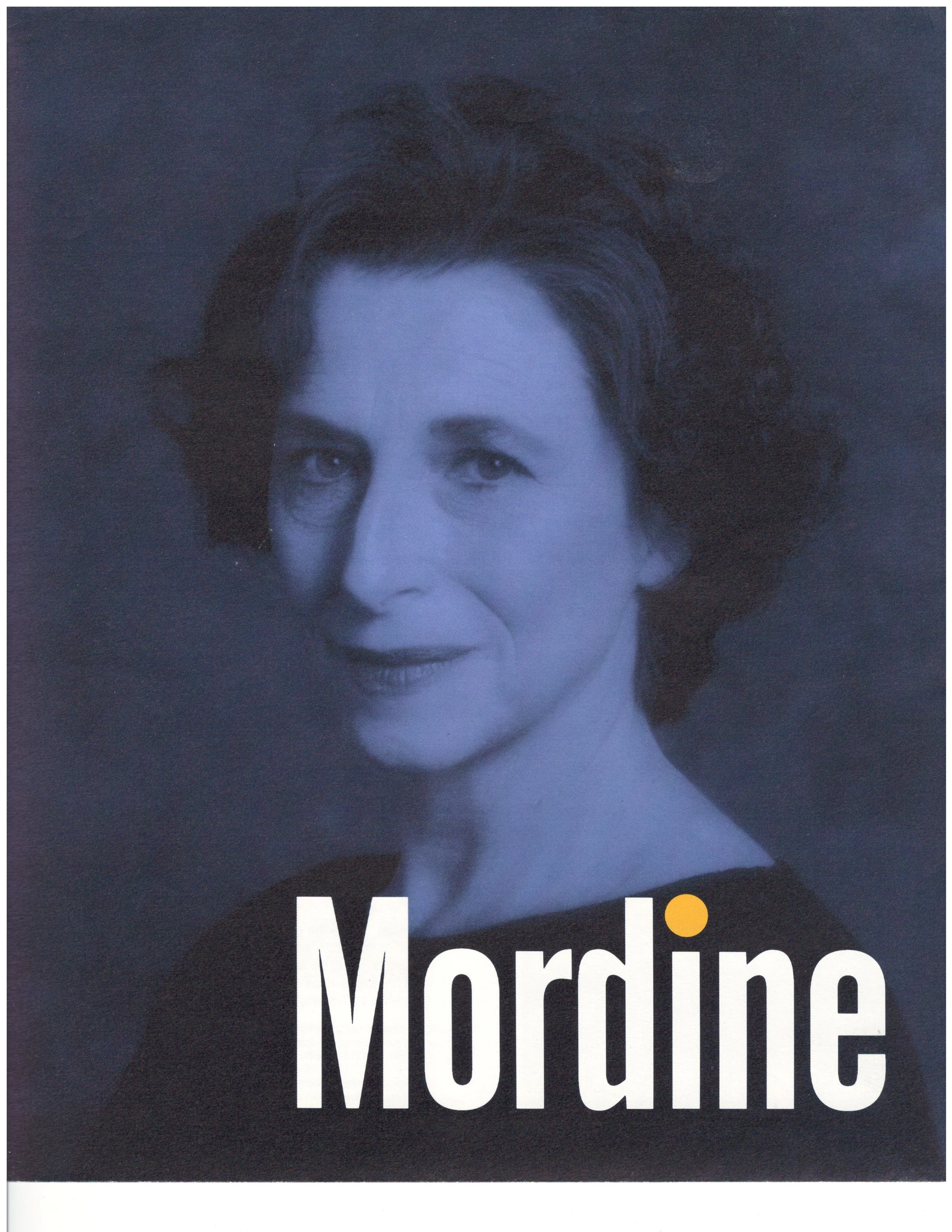
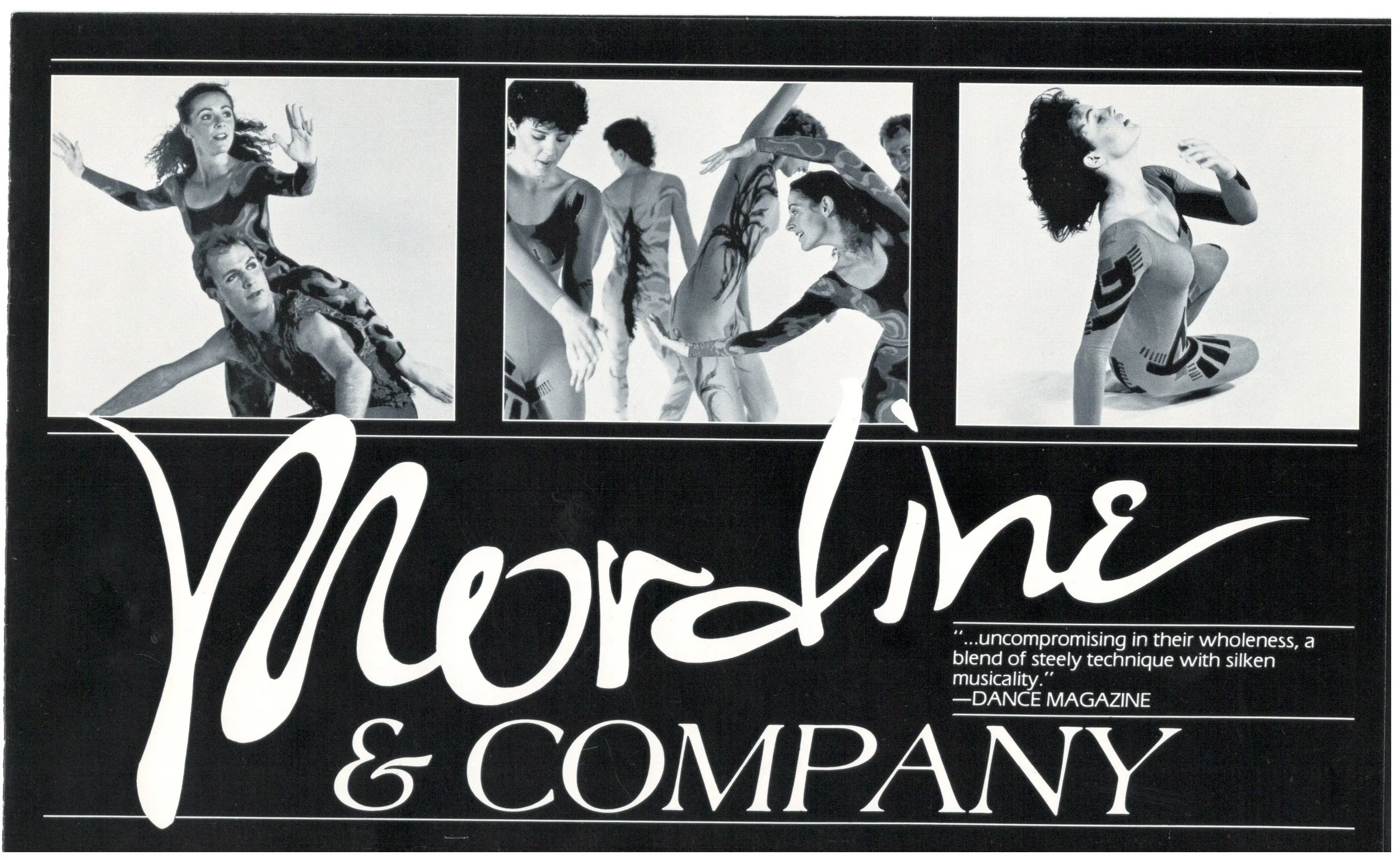
Shirley Mordine was a visionary dancer, performer, choreographer, and educator. Her five-decade career in Chicago included founding the Dance Department at Columbia College Chicago, the Dance Center of Columbia College Chicago, and originating the college’s revered Dance Presenting Series. A prolific choreographer, Shirley founded and served as Artistic Director of Mordine & Company Dance Theater from 1969 to 2019.
Her contributions sparked and encouraged a vibrant, enduring Chicago dance community with generations of Mordine & Company and Columbia College Chicago dance alumni continuing to form the fabric of Chicago and the midwest’s vital dance scene.
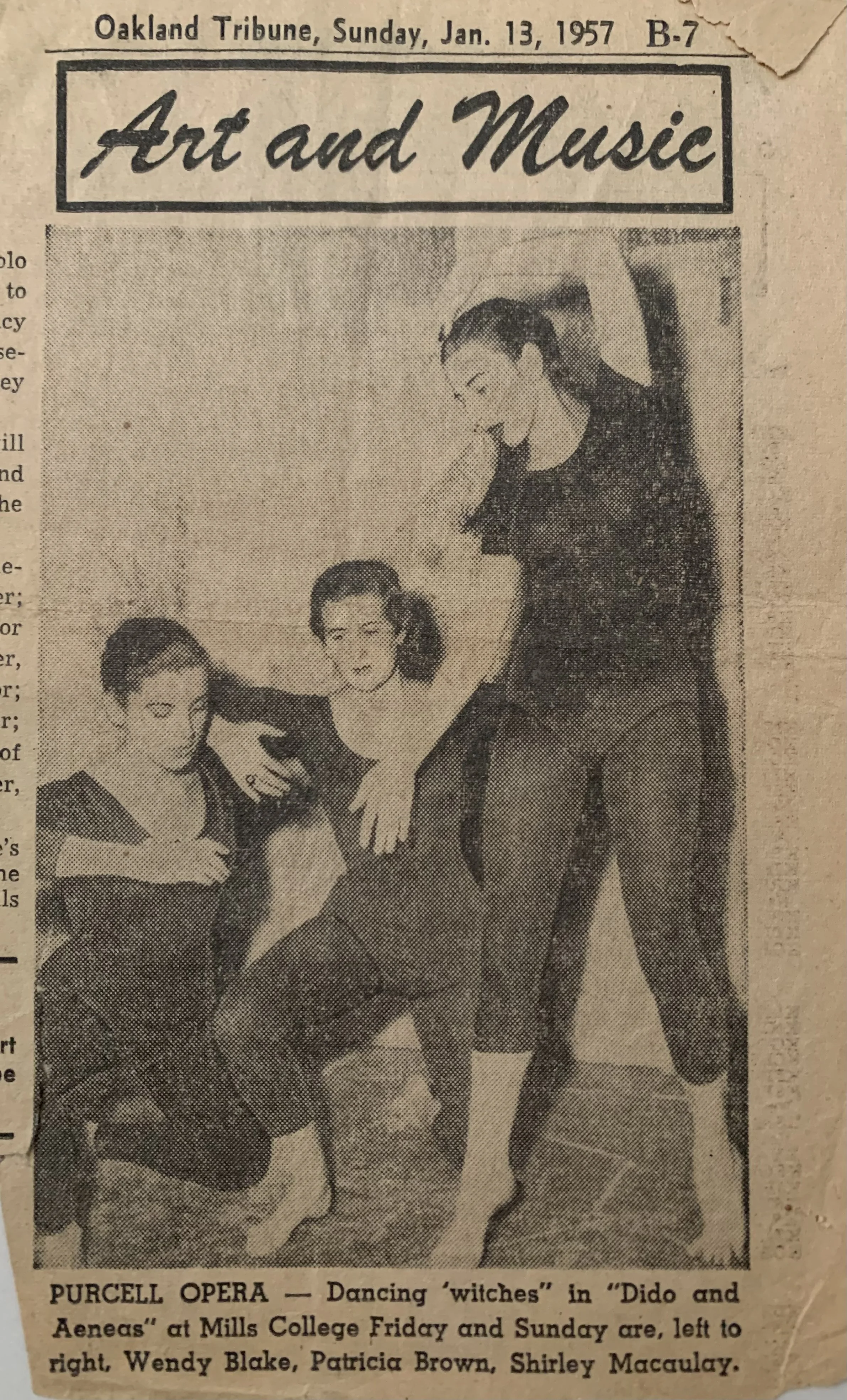
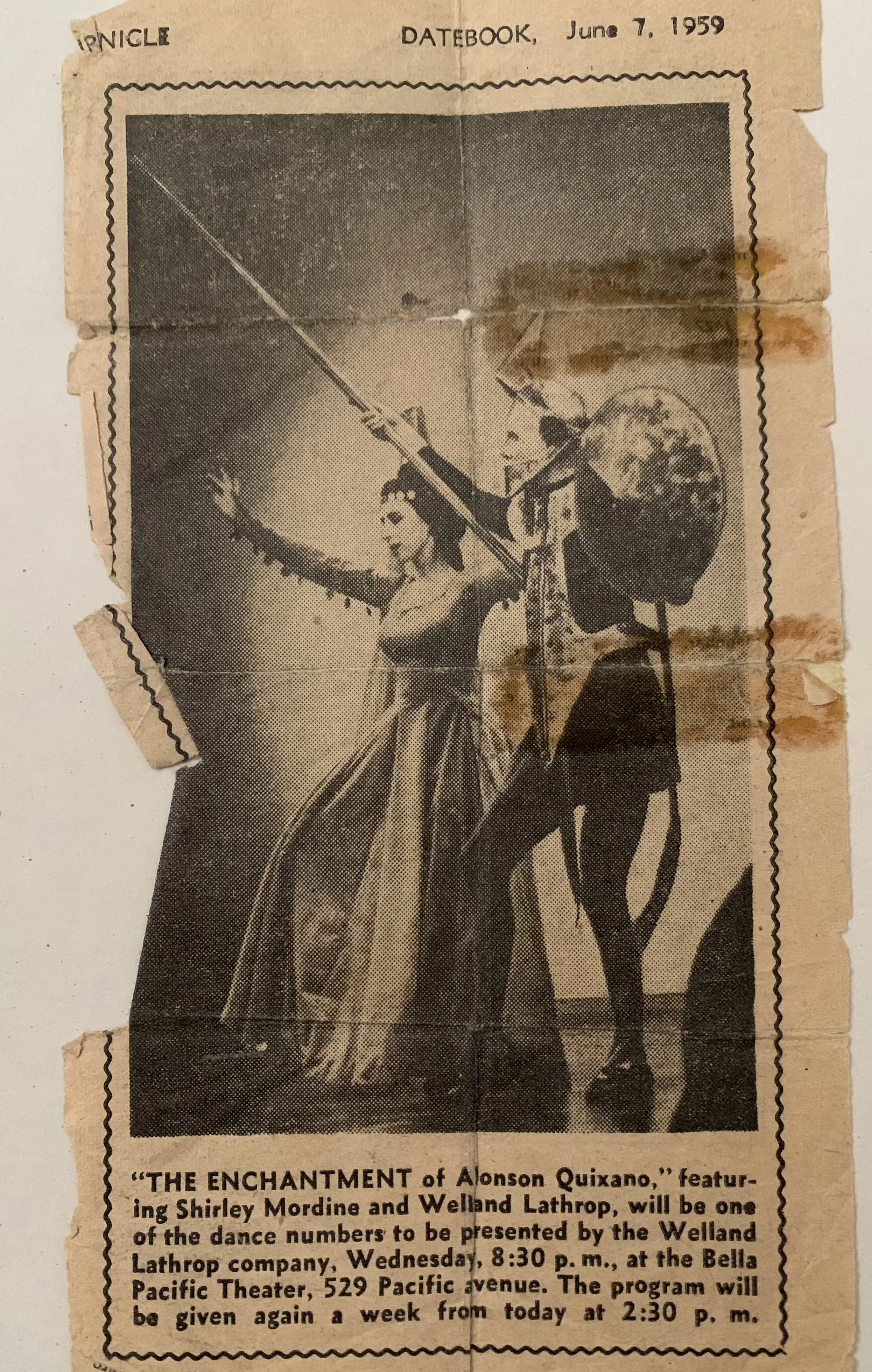
From the west coast where she graduated from Mills College in 1958 and danced with noted choreographers Anna Halprin and Welland Lathrop — key influences in forming her idiosyncratic, theatrical style of Modern dance — Shirley arrived in Chicago in 1967 with her husband and three young children. She taught at Hull House and Urban Gateways, was an artist-in-residence at Evanston Township High School, and taught dance in the Theatre department at Columbia College Chicago.
In 1969, she founded The Dance Troupe, later Mordine & Company Dance Theater. That same year she launched a new Dance department at Columbia College; she would chair the department for more than 30 years.
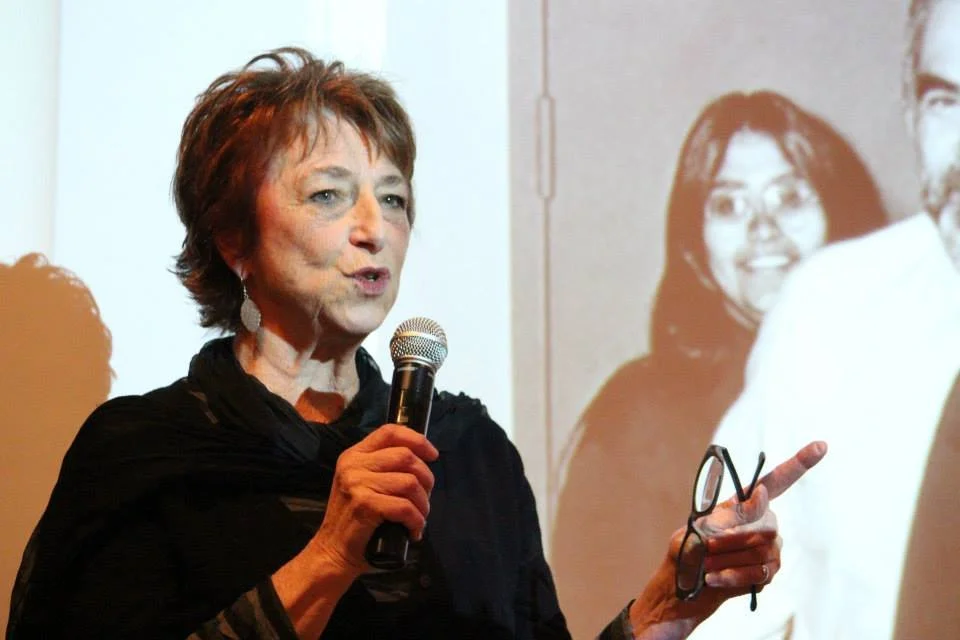
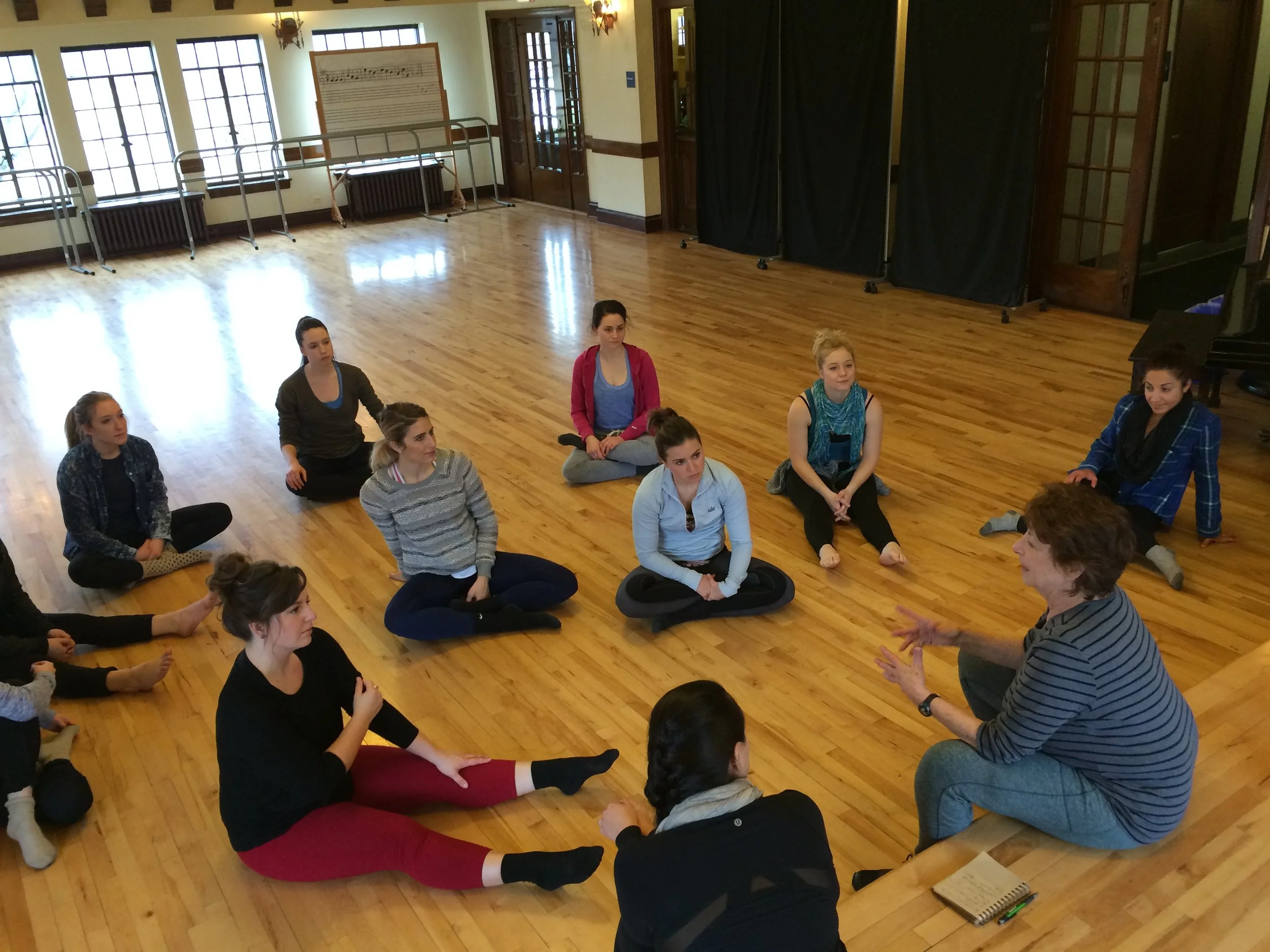
Below Shirley speaks about her arrival in Chicago in the late 1960s, the early days of her long-running, prolific dance company, the creation and evolution of The Dance Center of Columbia College Chicago and its presenting series, and her love of choreography, performing and mentoring. (Excerpt from Chicago Dance History Project 2016 interview)
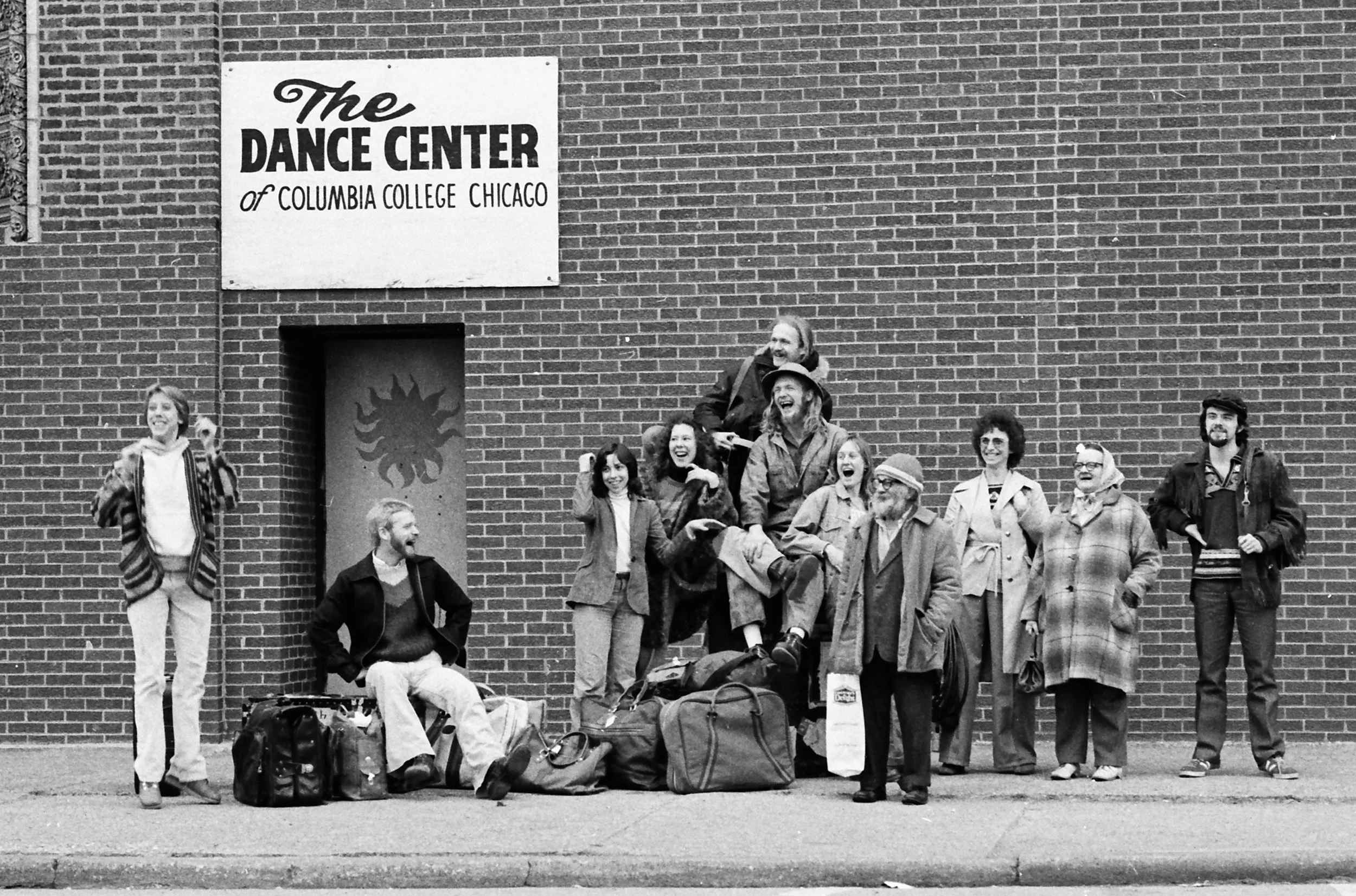
Shirley spearheaded the formation of the Dance Center of Columbia College Chicago in 1972 to house the Dance department. In 1974, she originated the Dance Presenting Series which brought prestigious contemporary American and international dance companies and artists to Chicago including Trisha Brown, Donald Byrd, Eiko & Koma, Garth Fagan, Joe Goode, Erick Hawkins, Margaret Jenkins, Bill T. Jones, Alonzo King, Ralph Lemon, Liz Lerman, José Limón, Loretta Livingston, Susan Marshall, Bebe Miller, Momix, Meredith Monk, Ohad Naharin, David Parsons, Merián Soto, Urban Bush Women, and many others, often for the first time. In 1991, she produced the first Dance Africa/Chicago with Dance Center Executive Director Woodie T. White and Baba Chuck Davis, which ran for well over a decade and has periodically been revived by other organizations. By the late 1990s, the Dance Center had outgrown its landmark building on Sheridan Road in Uptown, moving to the heart of Columbia College’s South Loop campus in 2000. Now in its 53rd presenting season, the Dance Center’s Dance Presenting Series remains the city’s only arts presenter dedicated exclusively to dance and embodied art.
“I always think of making dances in terms of what I observe in the world. “Every dance should be new, strange and beautiful.” I don’t remember who told me that, but I like it.”
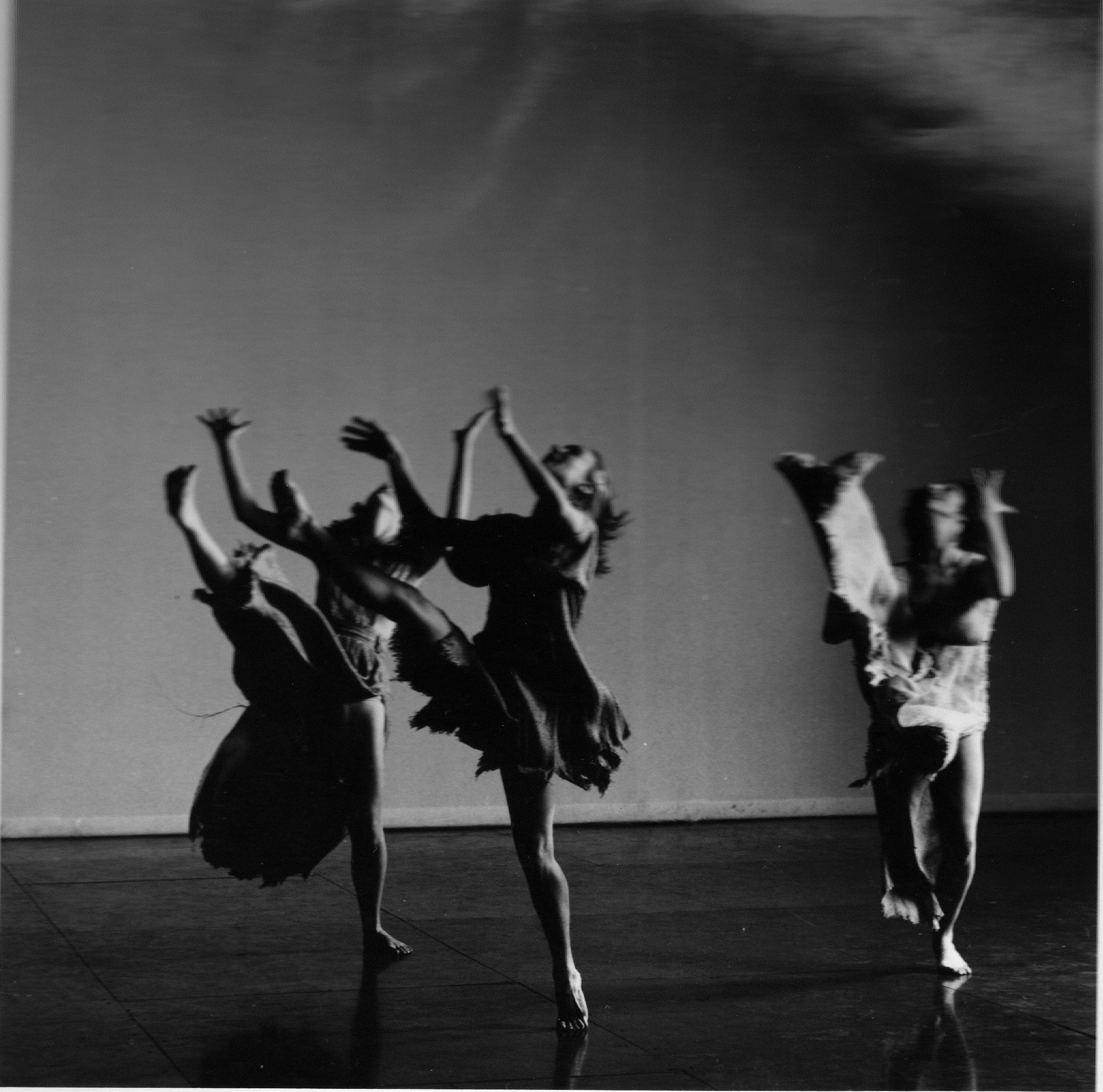
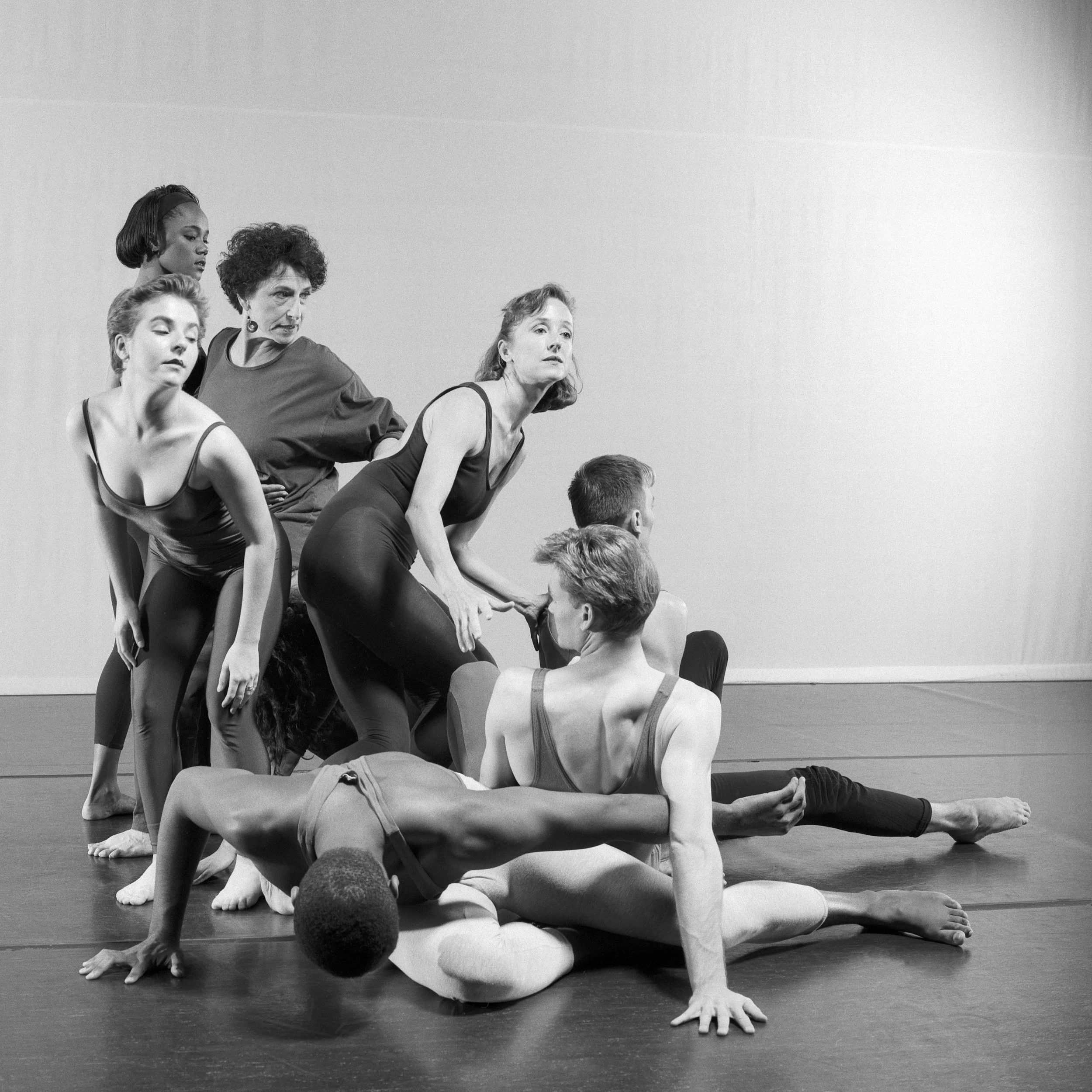
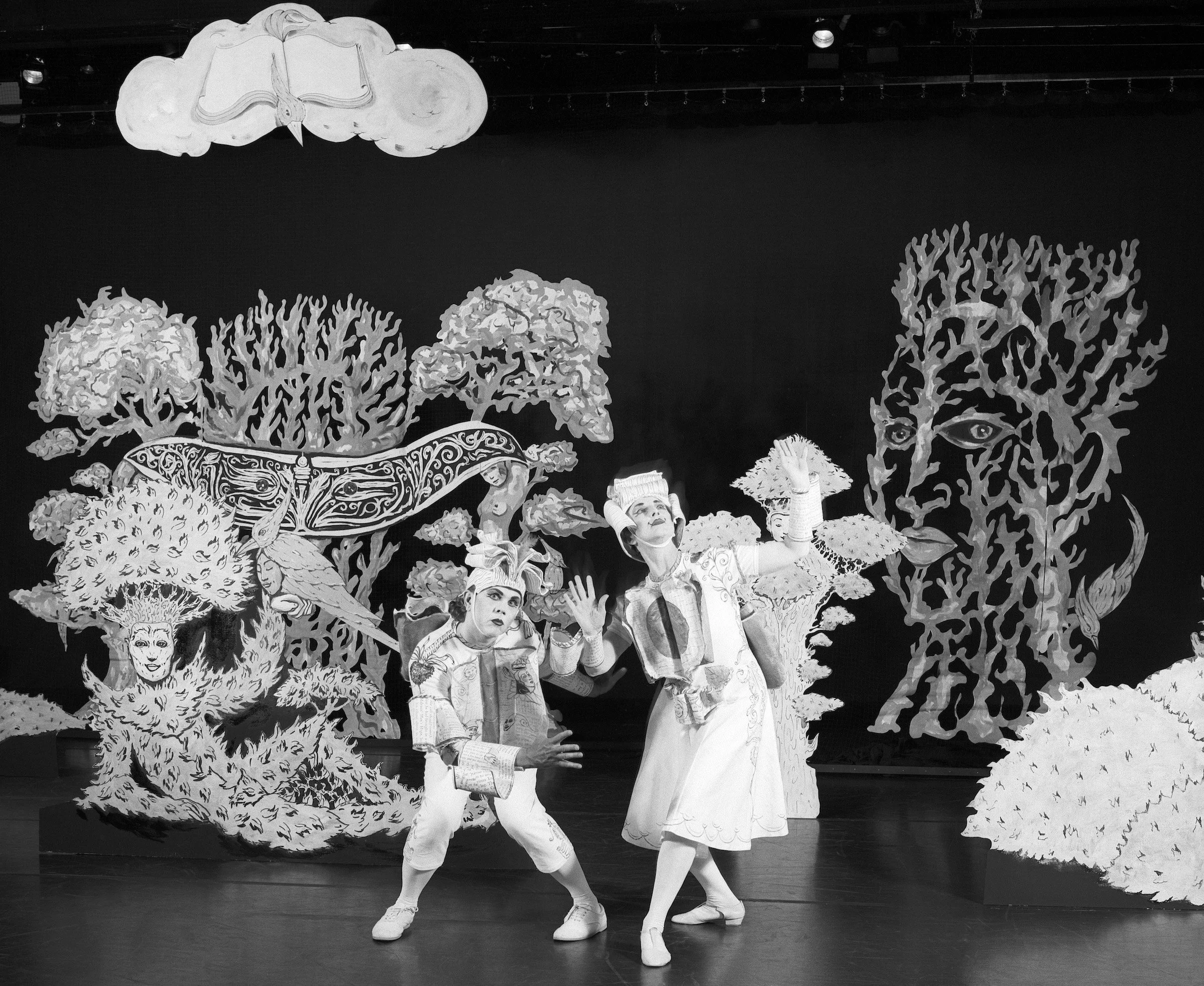
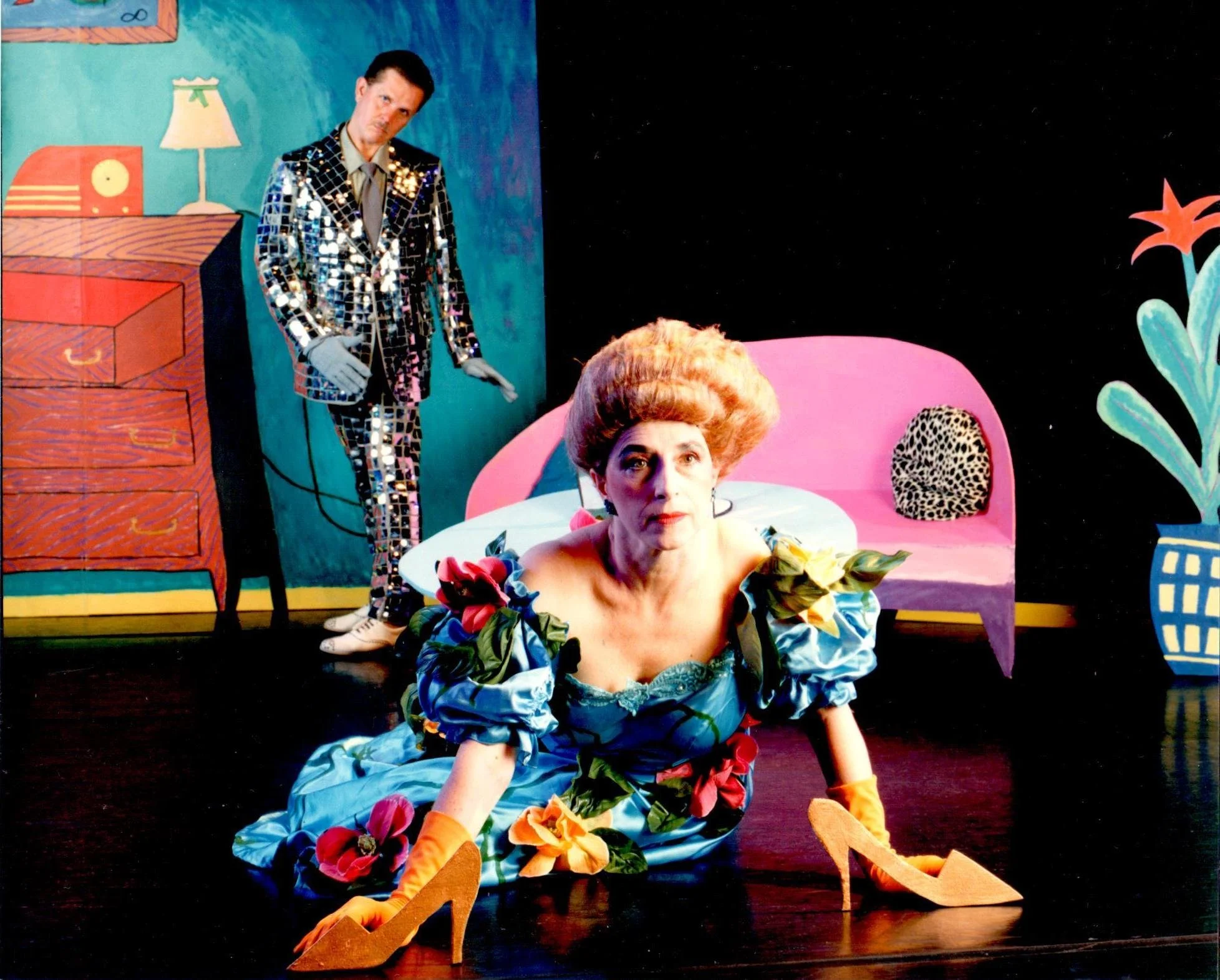
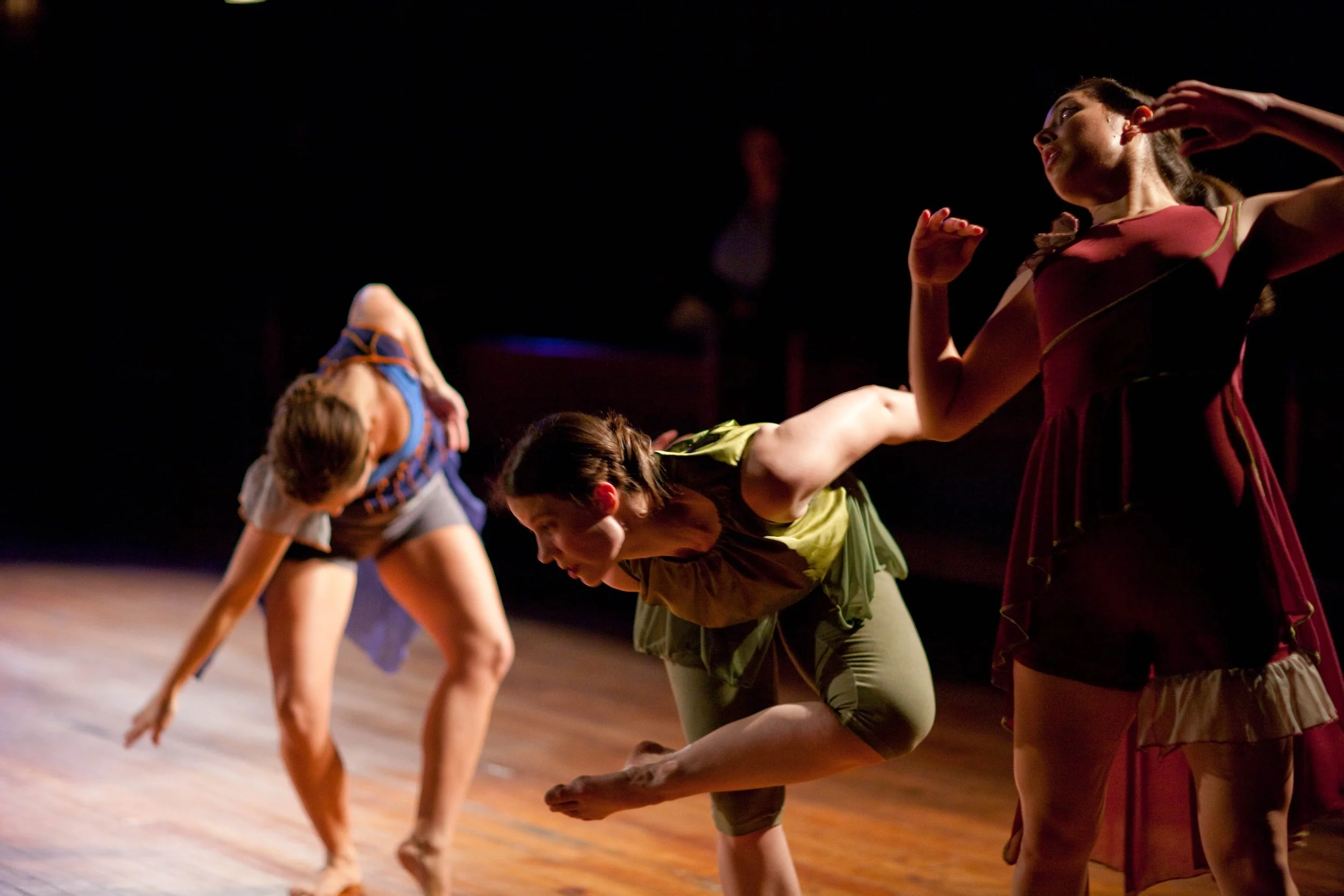
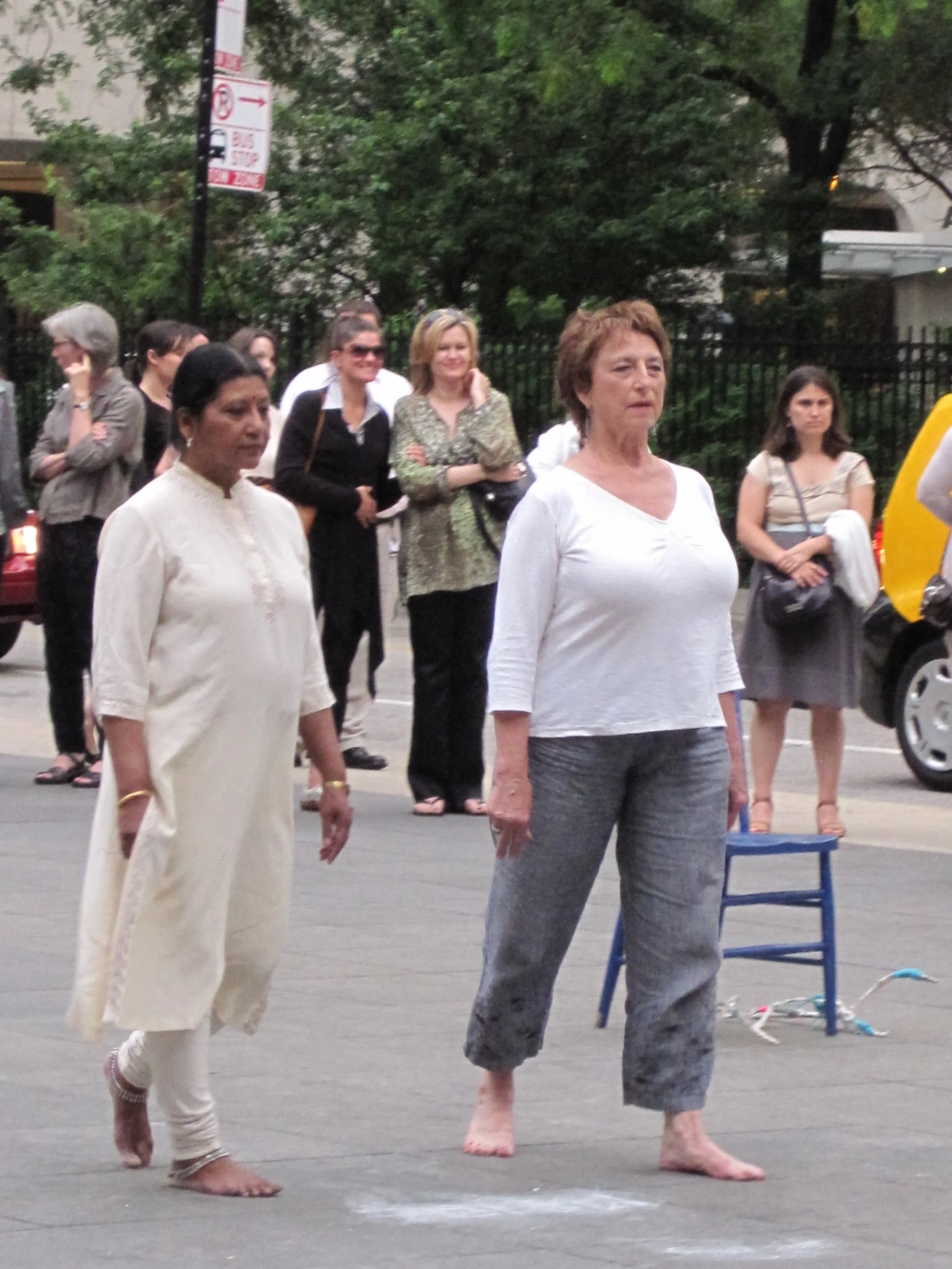
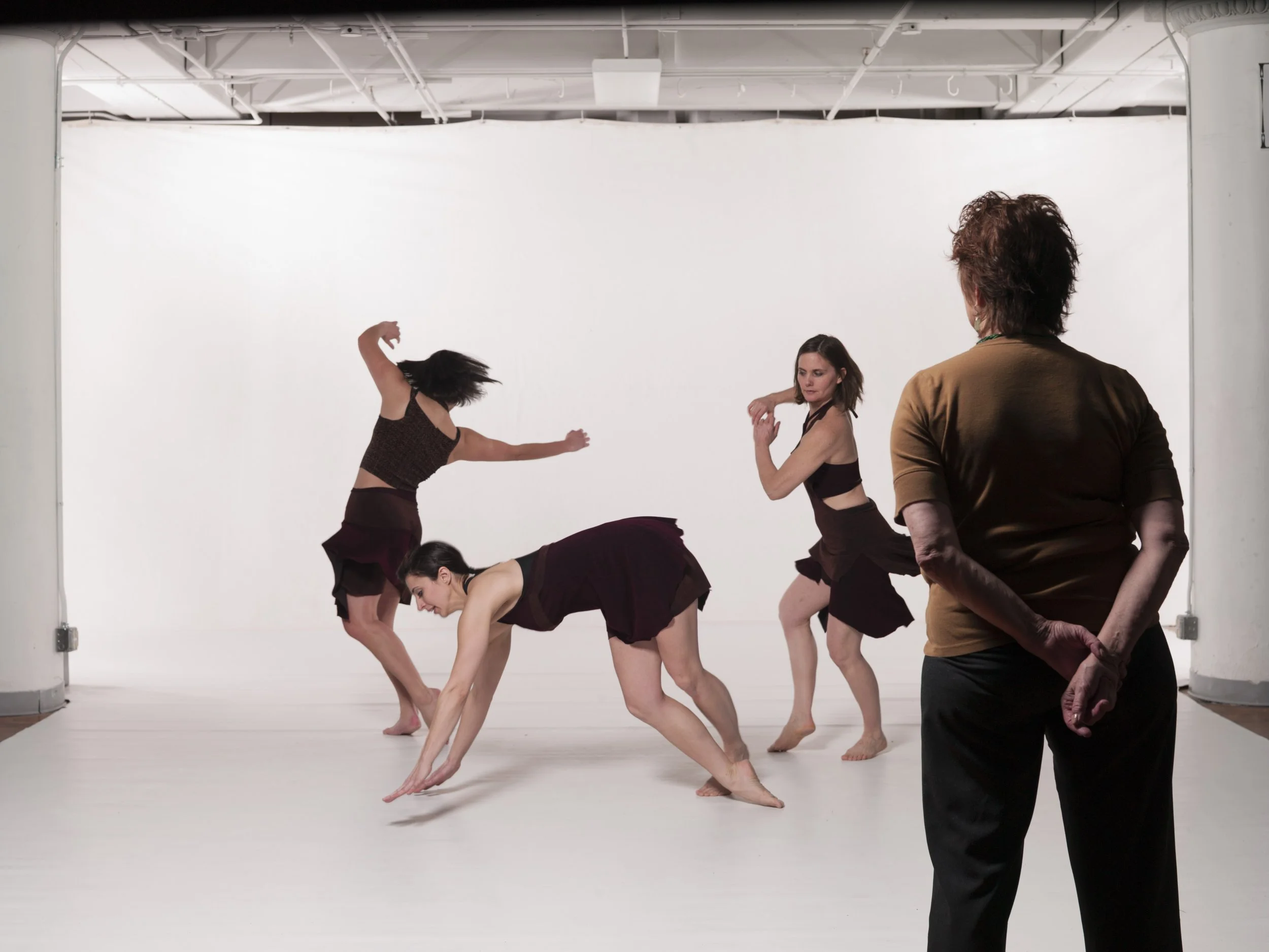
Shirley loved educating and presenting, but her life-long passion was choreography. She choreographed more than 100 dances exploring loss, passion, light, space, gender, current events, storytelling, the City of Chicago, and collaborated with designers, musicians, puppeteers, and other choreographers with her insatiable curiosity, humor and intellect. Mordine & Company Dance Theater operated as a repertory company for 50 years—credited as the Midwest’s longest-running Modern dance company.

The Shirley Mordine Dance Maker Award Fund
Shirley Mordine lived and created from 1936 to 2025. The Shirley Mordine Dance Maker Award Fund was established in 2026 by her family, friends and colleagues to honor and continue her dedication to dance education and performance and to the City of Chicago. The Dance Center of Columbia College Chicago facilitates The Shirley Mordine Dance Maker Award through the support of the Fund.
Your gift to The Shirley Mordine Dance Maker Award Fund helps award more money to more choreographers to make more dances. 100% of your tax-deductible contribution goes to awarded choreographers. Thank you for contributing.
