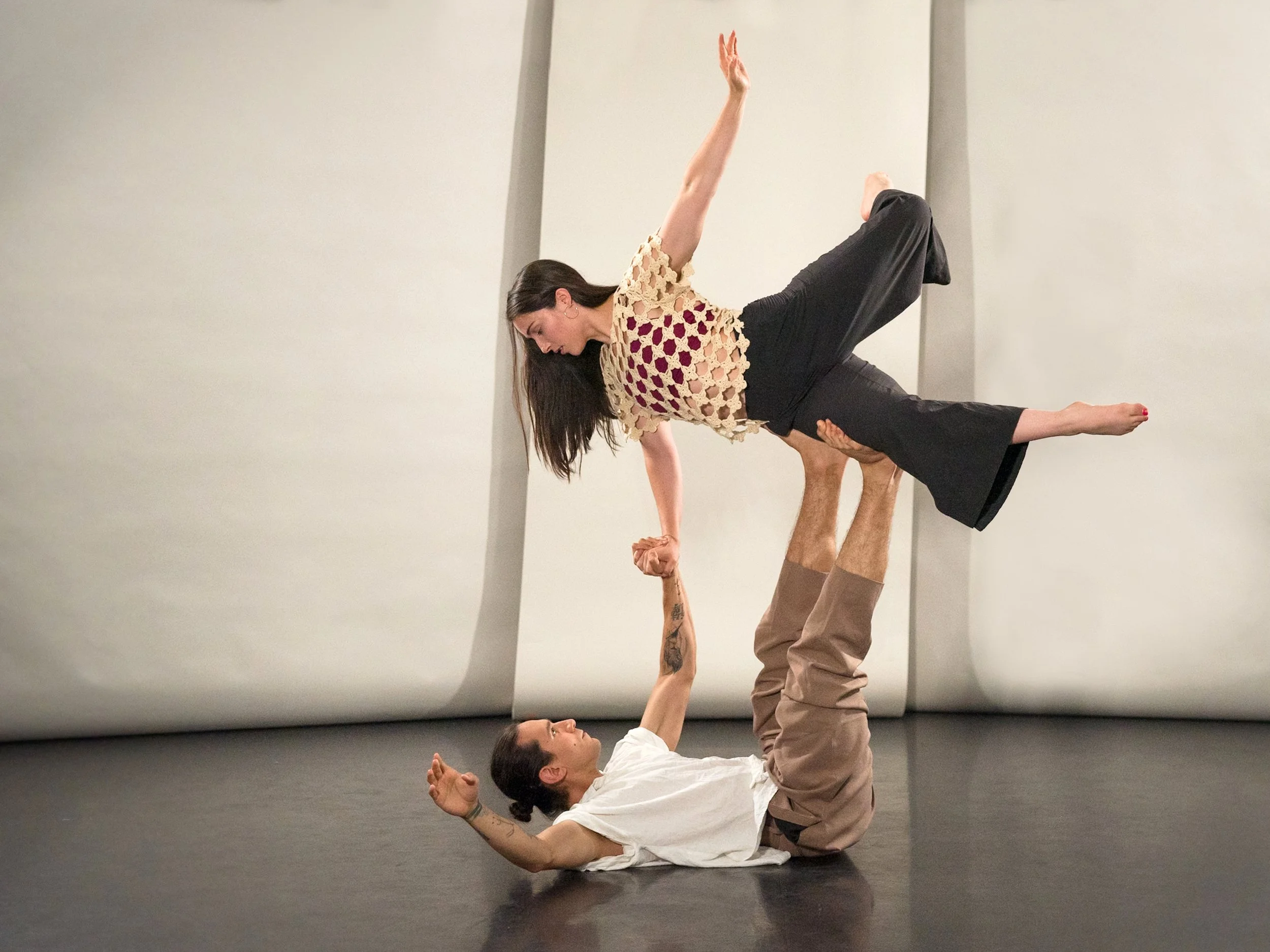
Artistic Director Meredith Sutton sat down with Cerqua Rivera Dance Theatre’s Co-Founder, Artistic Director, and CEO Wilfredo Rivera to talk about the company's first concerts at the Dance Center on April 30-May 2, 2026. A continuación, se presenta una versión en español de su conversación. (Spanish language translation by: Areli Ramirez.)
Meredith: I want to express how excited we are to be partnering with Cerqua Rivera Dance Theatre for the first time at the Dance Center! You’re spotlighting two new works and a remount from Shannon Alvis. What was the decision to include these works and these artists for this performance?
Wilfredo: The company continues to evolve, reflect, respond, and stay in tune with what's happening in our community—looking at current deep questions around identity, belonging, the cultural loops of injustice, and the need to reassess and recenter ourselves. We are particularly investigating how the Latine, African American, Asian American, LGBTQIA+ communities and allies should redefine what empathy, affinity and commonality in justice for all of us mean. How could we all choose to bond together, in a different way, than how we have historically? The current climate asks for a paradigm shift. In reflecting about these different aspects of community, these three pieces make a nice mosaic in terms of multiplicity of voices and identity. That's what I mean by centering. Once we are all a little bit more glued within, then we can be a little bit more whole with others.
Shannon Alvis’s world premiere – Immense World – conveys and expresses tactile and expressive, gestural content and emotion through choreography and her continued philosophical research on human relationships and human awareness of our inner and outer world.
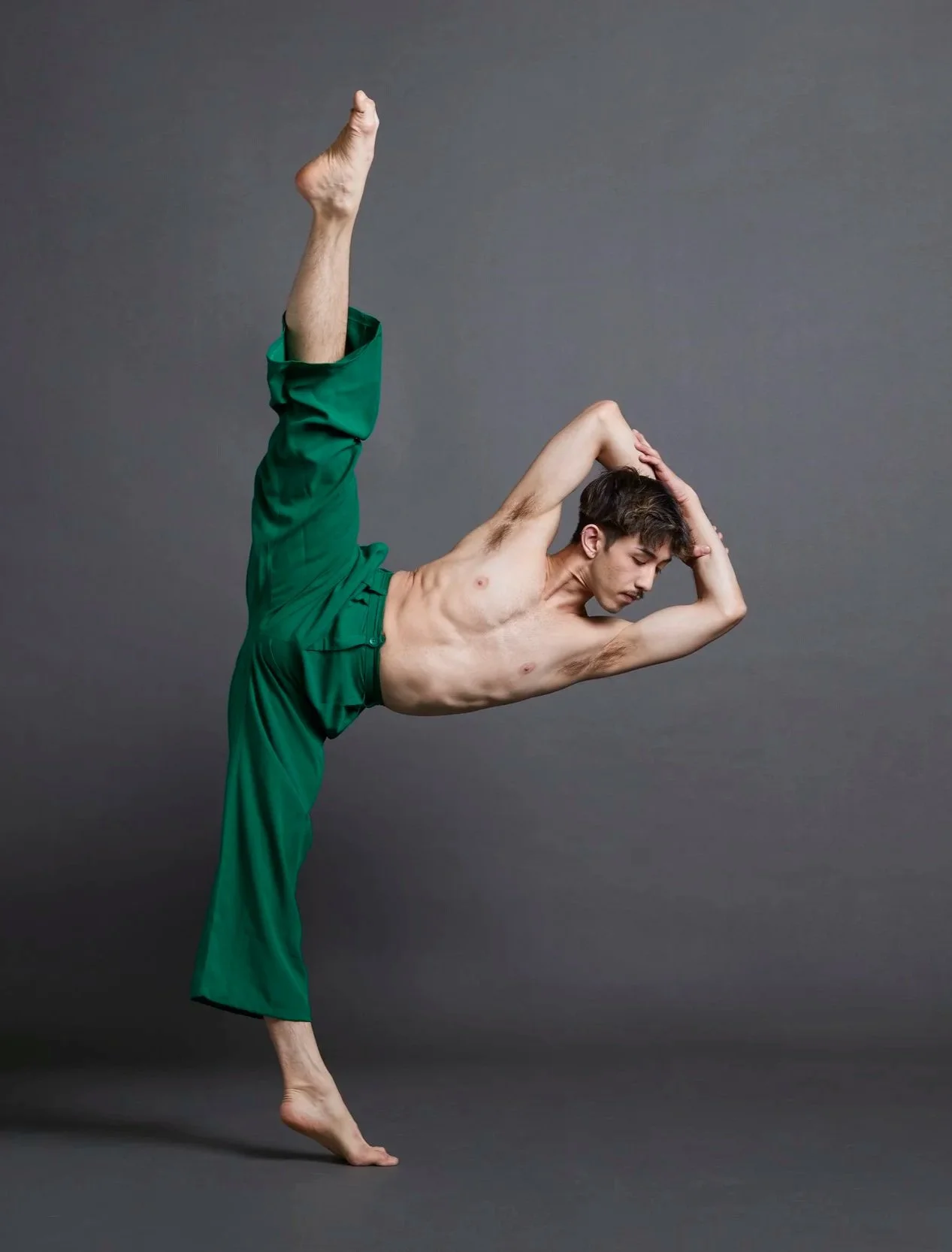
Cerqua Rivera Dance Theatre.
We commissioned Shannon to create A Place Between Earth and Sky in 2018 in collaboration with Grammy-nominated Clarice Assad and chose to remount it now because of how it explores Mother Nature, human nature, and how both depend on the principle of diversity for our very existence. The suite utilizes the cycle of the day as a metaphor for a cycle of a life.
In Monique Haley and Joe Cerqua’s world premiere, they investigate aspects of injustice cultural looping. We Intersect is partially inspired by the version of the song Trouble in Mind by Sam Cooke and the play by Alice Childress, among other sources. Monique is drawing inspiration from the play’s depiction of people bonding together for a unified voice and force to defend others’ rights to protect integrity.
Meredith: This is so rich especially in consideration of how all of the works are living in this programming in such keen and nuanced conversation. Themes of belonging, themes of reflection, themes of acknowledging place and space and how that relates to our interconnectedness. A larger overarching question, what is it that you want the audience to take away?
Wilfredo: As an ensemble, every time that we seem to dive deep into the questioning of being, nearly always what comes out is a revelation of a universal experience. It doesn't mean that we’re diluting the catalyst of the original personal narrative, it means that we are able, through the multiplicity of the voices of the company, to relate it, convey it in a way that resonates with a wide audience. A CRDT concert, it's an elevated theatrical experience that invites you to feel connected to strangers sitting next to you. How wonderful that people that can come from different backgrounds, sit next to each other, and feel an energy that is inclusive, an energy that feels bonding in a way that is hopeful, celebratory, even joyful! Our aspiration is to build that sense of larger community, reassurance of belonging, and permission to take space with others. It is OK not to know or fully understand that full range of history of the person next to you; CRDT offers us an opportunity to embrace the humanity around you. Creating an environment that invites an audience to have this experience is really what we're looking for.
Meredith: I feel overjoyed that there is an expectation from CRDT that how the audience is relating to the dancers and thinking about their experiences is contributing to the broader offering.
Wilfredo: Yes! And yet it’s challenging as a Latino artistic director that people often ask me, why is CRDT not more culturally defined? Meaning, why don’t I lean toward a singularly centered approach? How do I really manage multiculturalism? As a curator and director, this is a revolving question stemming from fractured understanding. We all desire this worldview or sensation in our communities that we can work together as a team. This is why the company specifically is not a Latinx/e company or focused on one particular perspective or cultural view. Our focus is to bring a diverse ensemble to work together and explore these themes as a community. I think it also transfers to my work in academia, the breadth of students of various social, economic, and cultural backgrounds. Institutions like ours are already doing that – multiplicity of authentic voices mixed together – don't we all want that in our workplaces?
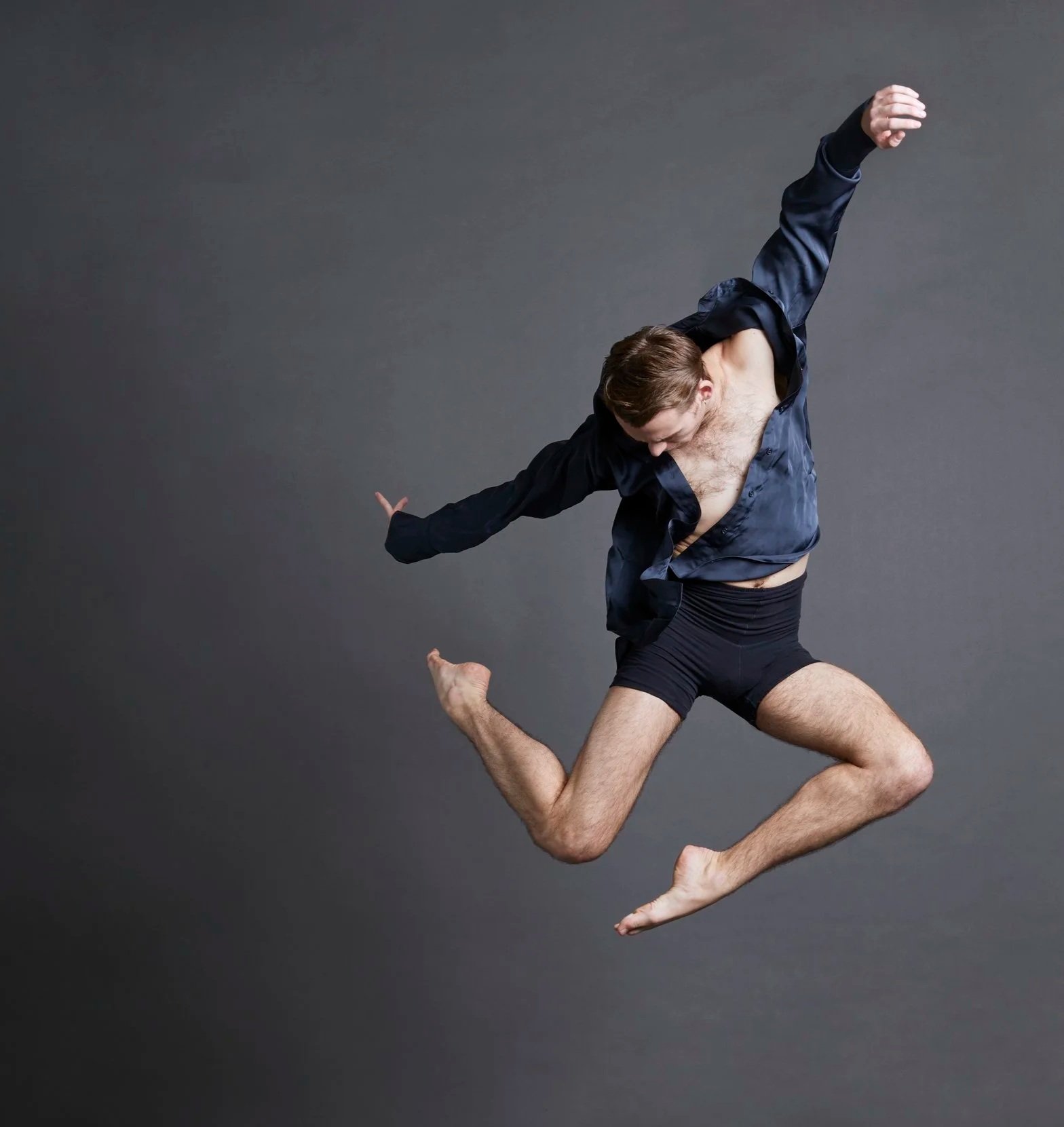
Cerqua Rivera Dance Theatre.
Meredith: Absolutely. In solidarity, at the Dance Center we have a responsibility to plug into the pluralism of our programming, of the demographics of students that we serve, and how that correlates to the larger mission curricularly, artistically etc. Thank you for opening up about the curatorial considerations and how that is representative of the larger work and mission of the company. Is there anything that you want audiences to be mindful of or to consider with the programming that’s to come?
Wilfredo: I think one of the enduring, whimsical, and uplifting qualities of the company is the live music component. Latinx/e and African and a lot of other forms of dance really come through the marriage and the fusion of live music. The integration is vital. For a contemporary audience perspective, live music within a contemporary dance concert, transforms the room. Transformation through the floor and soles of your feet because of the percussion, also audibly as voices simmer in the air. It affects you from the inside out in such a different way than recorded tracks do. These works involve the full CRDT Orchestra Ensemble which is going to be 11 live musicians. It is going to be quite a robust, heart filling sound. The musicians are not there just as tools, they're artistic voices and vessels for the work. And because we come from a jazz background, sections in the music are improvised. They are reacting to the dancers or vice versa. That's why the musicians are on stage, it's not just for visual effect, they are there to have that visual connectivity, physical and emotional immediacy, to the dancers.
Meredith: I have such beautiful anticipation of what it's going to be like to experience the works and the sound score collectively in our space. Thank you so much, Wilfredo.
La directora artística Meredith Sutton se reunió con Wilfredo Rivera, el cofundador, director artístico y CEO de Cerqua Rivera Dance Theatre, para dialogar sobre los primeros conciertos de la compañía, que se darán a presentar en el Dance Center, del 30 de abril de 2026 al 2 de mayo de 2026. Muchas gracias a Areli Ramírez por la traducción al español.
Meredith: ¡Me gustaría expresar lo emocionados que estamos de poder trabajar juntos con Cerqua Rivera Dance Theatre por primera vez! En este espectáculo se presentan dos obras nuevas, una reposición de Shannon Alvis. ¿Cómo llegaron a la conclusión de decidir cómo incluir estas obras y estos artistas en esta función?
Wilfredo: La compañía sigue evolucionando, reflejando, respondiendo y prestando atención a lo que sucede en nuestra comunidad. Al examinar las profundas cuestiones sobre la identidad y la pertenencia, el ciclo cultural de la injusticia y la necesidad de reevaluar nos y reenfocarnos. Investigar en particular cómo las comunidades latine, afroamericanas, asiático-americanas, LGBTQIA+ y sus aliados deberían redefinir lo que es la empatía, la afinidad, junto con lo que tenemos en común, que es la justicia para todos nosotros. ¿Cómo podríamos formar relaciones de manera diferente a lo que hemos hecho históricamente? El clima actual exige un cambio de paradigma. Estaba pensando en estos distintos componentes de la comunidad y estas tres piezas conforman un hermoso mosaico que refleja la amplitud y la multiplicidad de voces e identidades. Eso es lo que quiero decir con centrarnos: si todos estamos un poco más integrados por dentro, entonces podemos estar un poco más completos con los demás.
El estreno mundial de Shannon Alvis - Immense World - transmite y expresa contenido táctil, expresivo y gestual, tales como las emociones, a través de la coreografía y su investigación sobre la filosofía entre las relaciones humanas y la conciencia de nuestro mundo externo e interno.
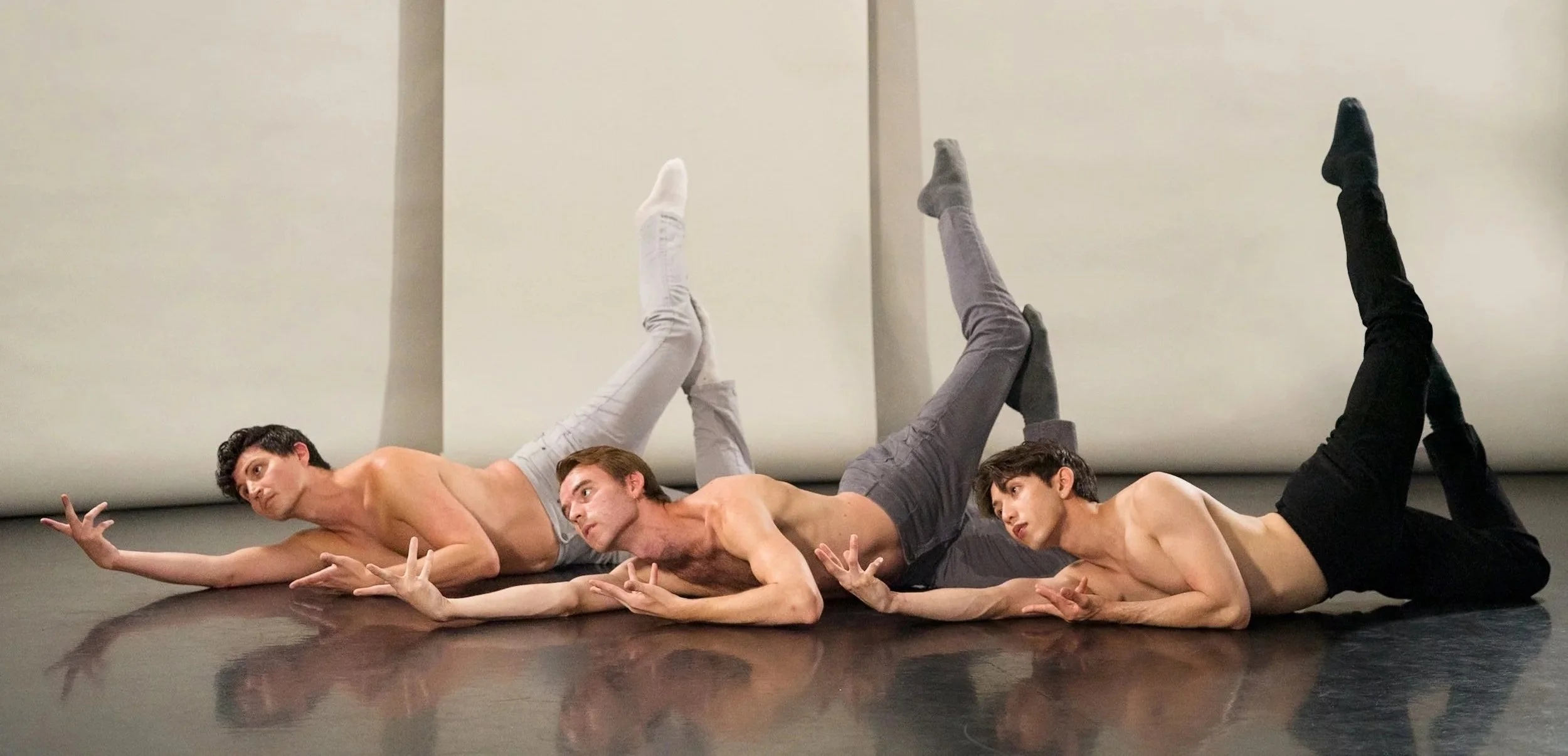
Cerqua Rivera Dance Theatre, photography by Andrew Weeks.
Encargamos a Shannon la creación de A Place Between Earth and Sky en 2018, en colaboración con la nominada al Grammy Clarice Assad, y decidimos volver a montarla ahora por la manera en que explora a la Madre Naturaleza, el ser humano y cómo los dos dependen principalmente de la diversidad en nuestra misma existencia. La serie utiliza el ciclo del día como metáfora del ciclo de vida.
Monique Haley y Joe Cerqua investigan los aspectos de la injusticia en los ciclos culturales en su estreno mundial. We Intersect está parcialmente inspirada en la versión de la canción Trouble in Mind de Sam Cooke y en la obra de Alice Childress, entre otras fuentes. Monique se inspira en la representación de la obra sobre cómo las personas se unen en una voz y una fuerza colectiva para defender los derechos de otros y proteger su integridad.
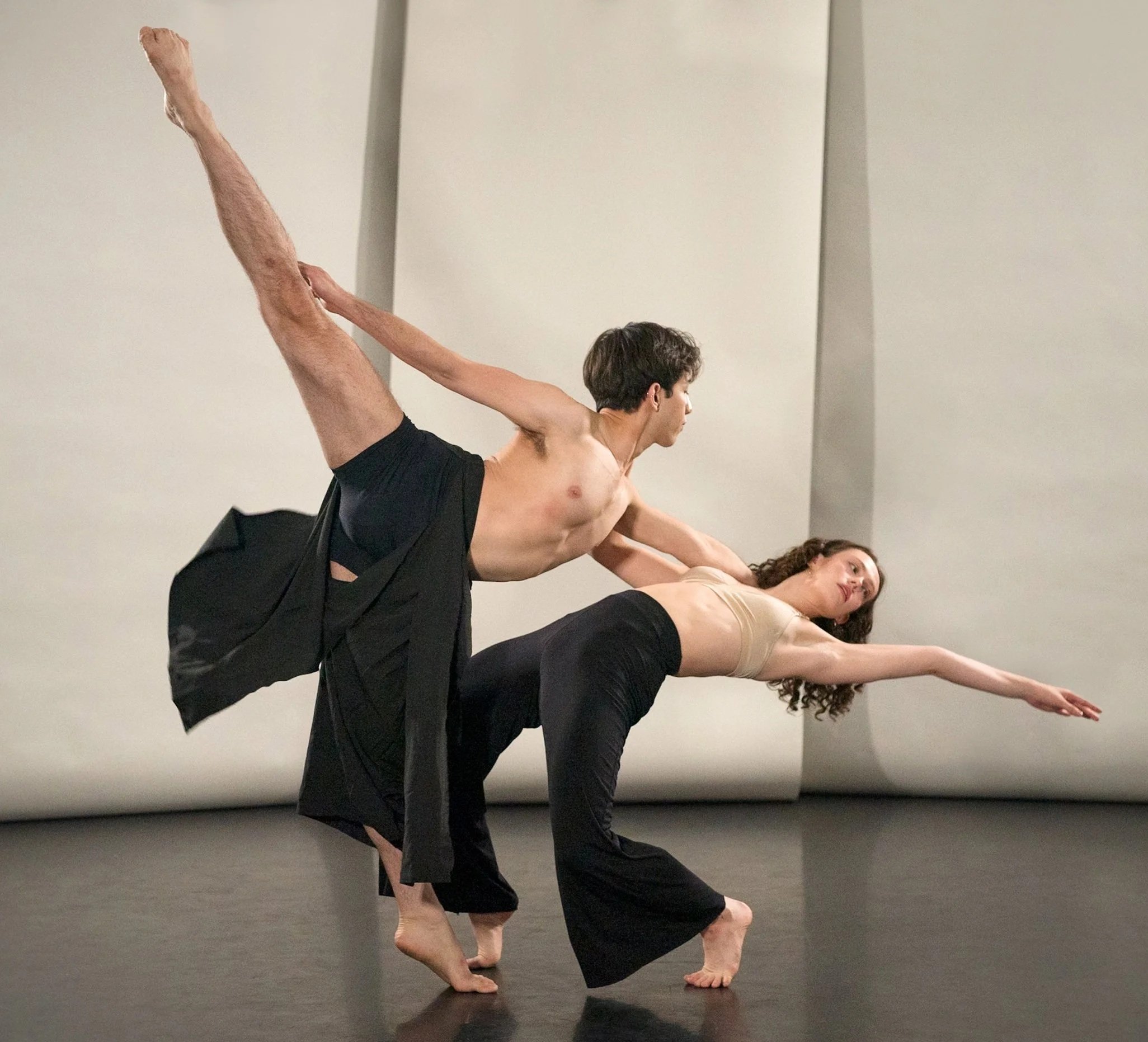
Cerqua Rivera Dance Theatre, photography by Andrew Weeks.
Meredith: Este proyecto se enriquece especialmente si consideras cómo todas las piezas viven en programación, creando una conversación tan entusiasta y matizada. Temas de pertenencia, temas de reflejar, temas de reconocimiento de lugar y espacio, viendo cómo se relaciona con nuestra interconexión. Otra pregunta más general: ¿Qué le gustaría que la audiencia se lleve?
Wilfredo: Como conjunto, cada vez que parecemos sumergirnos profundamente en el cuestionamiento del ser, casi siempre lo que surge es la revelación de una experiencia universal. No quiere decir que estemos diluyendo el catalizador de la narrativa sobre la experiencia original; significa que nosotros podemos, entre la multiplicidad de las voces de la compañía, expresarlo de una manera conveniente y transmitirlo a una audiencia amplia. Un concierto de CRDT es una experiencia teatral que eleva e invita a uno a sentirse más conectado con desconocidos que están sentados a su lado. ¡Qué maravilloso que personas de distintos orígenes puedan sentarse una al lado de la otra y sentir una energía inclusiva, una energía que une de una manera esperanzadora, celebratoria e incluso alegre! Nuestra aspiración es construir ese sentido de comunidad más amplia, reafirmar la pertenencia y dar permiso para ocupar espacio junto a los demás. Está bien no conocer o comprender plenamente toda la historia de la persona que tienes al lado; CRDT nos ofrece la oportunidad de abrazar la humanidad que nos rodea. Crear un entorno que invite al público a vivir esta experiencia es realmente lo que buscamos.
Meredith: Me siento profundamente emocionada de que por parte de CRDT exista una expectativa sobre la manera en que el público se relaciona con los bailarines y cómo reflexionan sobre sus experiencias contribuyendo a la propuesta y temas del concierto.
Wilfredo: ¡Sí! Sin embargo, como director artístico latino, es un reto que la gente me pregunta con frecuencia: ¿Por qué el CRDT no está más definido culturalmente? Es decir, ¿por qué no me inclino por un enfoque singular? ¿Cómo gestiono realmente el multiculturalismo? Como curador y director, esta es una pregunta recurrente que surge de una comprensión fragmentada. Todos deseamos esta cosmovisión o sensación en nuestras comunidades para poder trabajar juntos como equipo. Este es el porqué específicamente, la compañía, no es una compañía latinx/e ni se centra en una perspectiva o visión cultural en particular. Nuestro objetivo es reunir un conjunto diverso para trabajar juntos y explorar estos temas como comunidad. Creo que esto también se aplica a mi trabajo académico: la diversidad de estudiantes de diversos orígenes sociales, económicos y culturales. Instituciones como la nuestra ya lo están haciendo: una multiplicidad de voces auténticas fusionadas. ¿Acaso no deseamos todos eso en nuestros lugares de trabajo?
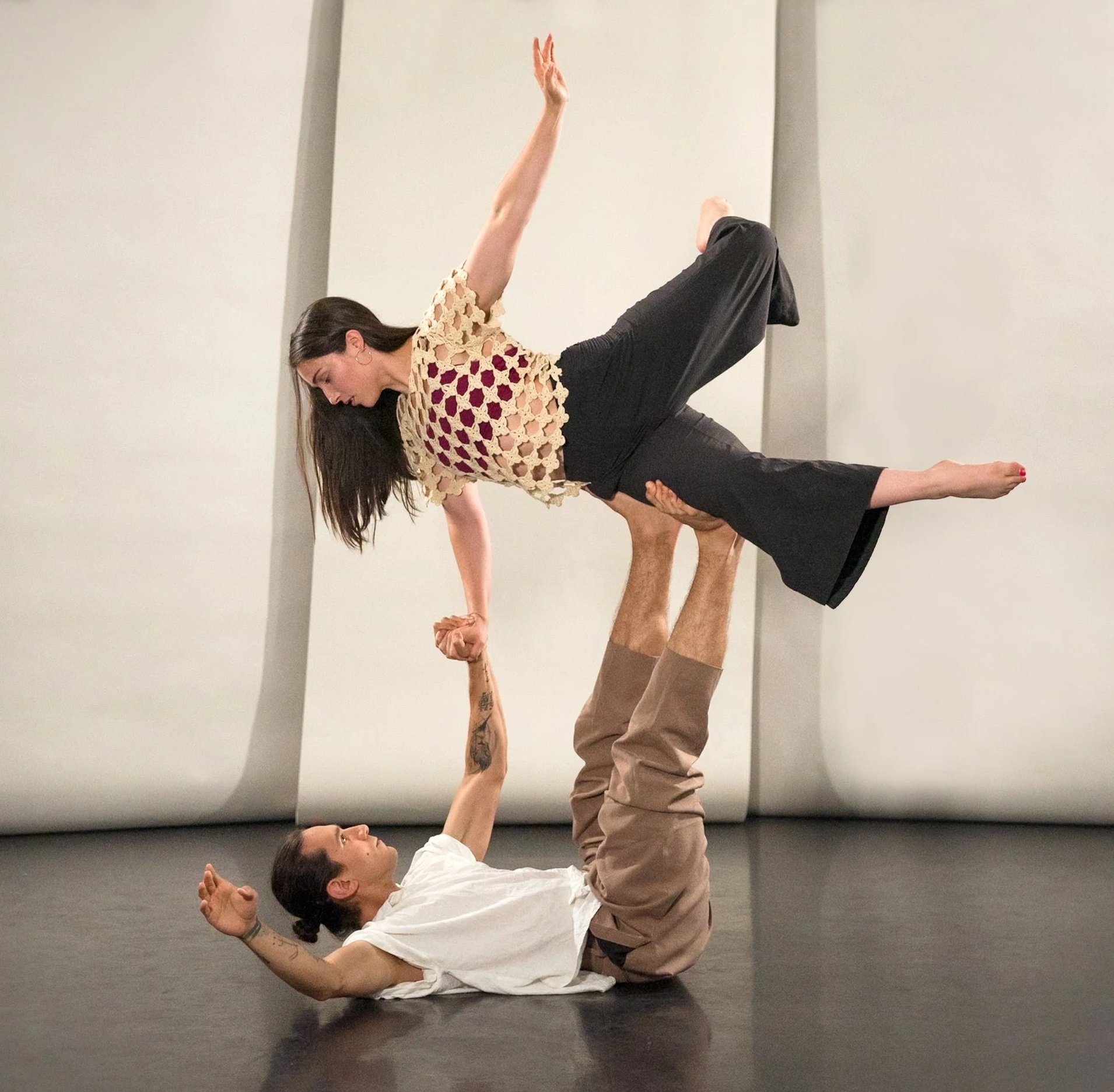
Cerqua Rivera Dance Theatre, photography by Andrew Weeks.
Meredith: Por supuesto. En solidaridad, en el Dance Center tenemos la responsabilidad de integrarnos con el pluralismo de nuestra programación, con el grupo demográfico de estudiantes a los que servimos y cómo esto se correlaciona con la misión general, tanto curricular como artísticamente. Gracias por hablar sobre las consideraciones curatoriales y cómo eso llega a representar el arduo trabajo y la misión general de la compañía. ¿Hay algo que le gustaría que el público tenga en cuenta o considere en la programación futura?
Wilfredo: Creo que una de las cualidades perdurables, originales y estimulantes de la compañía es el componente de música en vivo. La danza latina, africana y muchas otras formas de danza realmente surgen de la unión y la fusión de la música en vivo. La integración es vital. Para una audiencia contemporánea, la música en vivo junto a un recital de danza contemporánea transforma el cuarto. Transformación percusiva desde el suelo y las plantas de los pies, llegando a oir como las voces vibran en el aire. Te afecta de adentro hacia afuera de una manera muy diferente que las pistas grabadas. Estas obras involucran al Conjunto Orquestal CRDT completo, siendo compuesto por 11 músicos en vivo. Será un sonido bastante robusto y conmovedor. Los músicos no están ahí solo como herramientas, sino como voces artísticas y embarque para la obra. Como venimos del jazz, ciertas secciones de la música son improvisadas. Los musicos reaccionan a los bailarines o viceversa. Por eso los músicos están en el escenario, no es sólo por el efecto visual, ellos están allí para tener esa conectividad visual, inmediatez física y emocional con los bailarines.
Meredith: Tengo una hermosa expectativa de cómo será experimentar las obras y la banda sonora colectivamente en nuestro espacio. Muchas gracias, Wilfredo.
